
Paoli Warrant Checks
Paoli has no current municipal-court page, police page, warrant search tool, payment form, or court calendar on the web. That gap makes the issuing paperwork your best guide. Read the citation before assuming the case is municipal or state, since the town name alone settles nothing about which court holds the file.
- Read the citation, summons, notice, or old case paper for a court name and number.
- Use the contact printed on the paper only after verifying it independently.
- Call Phillips Combined Court at 970-762-7010 when the matter is a state case.
- Use the Phillips County Sheriff at 970-854-3644 for a proper county law-enforcement question.
- Ask the issuing court what appearance, filing, payment, bond, or attorney step remains.
The Colorado docket search is an orientation tool only. It offers no warrant-status filter, and it cannot certify a Paoli municipal matter or confirm a sealed record.
No Official Paoli Warrant Portal
The town of Paoli publishes no website with a warrant search, clerk instructions, police contact block, payment page, or local case calendar. That gap is real and worth stating plainly. It is not an opening for a commercial lookup service, an old directory number, or details borrowed from Holyoke or Haxtun. Those shortcuts lead to the wrong answers.
Routing gap: Begin with the court named on the paper. Use Phillips Combined Court for a Colorado county or district case and the county sheriff for the published law-enforcement fallback.
A missing official page does not mean Paoli has no local matters or that no warrant can exist. It means a current process takes direct verification. Write down the source, date, office, and instructions you receive.
Policing and Courts in Paoli
Paoli has no official police department or municipal-court page. So treat any claimed police force, judge, clerk, session time, phone number, or warrant desk with doubt. The Colorado Municipal League directory does confirm Paoli's municipal identity and an address. Still, a directory is not a live court-status source.
Possible local matter
Use the issuing citation or verified town contact to identify whether a municipal file and current custodian exist.
State court matter
Phillips Combined Court is the official state trial-court location for Phillips County and keeps county and district case records.
The Phillips County Sheriff publishes the county law-enforcement contact. But do not call the court clerk or sheriff a Paoli municipal clerk without official confirmation of that role.
Paoli Directory Warrant Limits
The Colorado Municipal League directory lists the Town of Paoli at 111 S. Lohn Avenue, Paoli, Colorado 80746-8009. Treat that entry as a municipal reference only, not a warrant procedure. It establishes no police office, municipal judge, court date, clerk number, online lookup, payment method, or safe-surrender route. Directory age matters too, since an administrative address can outlive changes in roles and procedures. Verify a current contact before mailing records, sending identification, or making a trip. If you use the address in a written request, state plainly that you are trying to identify the current court or custodian for a specific citation. A directory publisher cannot confirm warrant status in Paoli or anywhere else. The issuing court's docket and its judicial orders remain the controlling source on any active warrant or bench warrant.
Warrants in Paoli: The Main Types
With no confirmed municipal channel, warrant types in Paoli follow the court source rather than any assumed town procedure. A citation shows whether the matter belongs to a local body or the Colorado state system. That distinction drives every next step.
| Possible type | Record clue | Official route |
|---|---|---|
| Local bench warrant | A verified municipal court named on paperwork | That issuing municipal court |
| County bench warrant | Phillips County Court case | Phillips Combined Court |
| Traffic warrant | Court and ticket number on citation | Court named on ticket |
| Arrest warrant | State judicial criminal case | Issuing county or district court |
Colorado law uses "bench warrant" for a qualifying failure to appear. "Capias pro fine" does not appear as Phillips County terminology. Courts can issue different process depending on the case, so one missed event will not always produce the same result.
If a Citation Says Paoli
Read every line that identifies the issuing authority on the paperwork. Record the court name, ticket or case number, appearance date, alleged ordinance or statute, and contact information. Then verify the court through an official government or Judicial Branch source. A place of occurrence can be Paoli while the case itself belongs to Phillips County Court, so the venue on the citation is what counts. If the paperwork names Phillips County Court, contact Phillips Combined Court and ask whether the file shows a missed appearance, bench warrant, later recall, new setting, or payment issue. If it names a local court you cannot independently verify, ask the county court or sheriff only for correct routing, and skip assumptions about a town process. A Colorado attorney can also contact the named court directly when arrest, appearance, or bond concerns make an in-person visit risky.
Paoli Warrant Records: What They Show
No Paoli warrant entry, town status label, or local number format exists in public form. Any example stays schema-only and avoids private identifying information. Focus on the fields that show which court owns the matter and what later order controls it.
| Case or ticket number | The issuing court's identifier, represented as court-issued number. |
|---|---|
| Subject information | The name or description used in the official file. |
| Offense or citation | The allegation, statute, or ordinance stated in the case. |
| Issuing court | The body authorized to confirm the order. |
| Appearance event | A summons date, missed setting, or other docket event. |
| Current disposition | Service, recall, quash, new setting, or later order when public. |
A public Paoli docket may omit execution status, and sealed, juvenile, or confidential information can be restricted as well.
Paoli State Docket Filter Limits
Paoli is not a standalone filter that proves local warrant status in the Colorado Judicial Branch docket interface. The state search works from judicial district, county, courthouse, court type, division, date, case-number components, party, and attorney fields. It is built to find docket activity, not to return a yes-or-no warrant result. For a state case, select the proper Phillips County and courthouse context and use a known case number when you can. A result may locate a hearing or case path, but the interface displays no field labeled active warrant, bench warrant, or warrant status. A blank result can reflect a wrong court, a municipal jurisdiction, a spelling difference, a date choice, a sealed matter, or an access limit. Call the Clerk of Court for current status rather than treating search silence as clearance.
Paoli Warrants and Phillips County
Paoli sits inside Phillips County, but a town name alone tells you nothing about which court issued a warrant. Phillips Combined Court handles the county and district dockets. The sheriff is the county's published law-enforcement contact, and Colorado keeps no public statewide warrant register.
Warrant flow: court named on Paoli paperwork › issuing clerk confirmation › authorized police or sheriff action.
The Phillips County warrant records overview covers the county system in more depth. For a Paoli matter, honesty about the web gap matters. Confirm the issuing court from the paper itself. Route a state file through the state clerk. Treat the case as municipal only if the citation says so, and then seek a verified current town contact rather than forcing a county record into an unverified town process.
Paoli Town and Court Records
Paoli keeps its town paperwork separate from court files. A town hall address does not make that office a criminal docket's keeper. A clerk and recorder handles recording, elections, and motor vehicle work. Phillips County criminal case files sit elsewhere.
| Record sought | Starting custodian |
|---|---|
| Paoli administrative record | Current verified town custodian |
| Phillips county or district case | Clerk of Court at Phillips Combined Court |
| County law-enforcement record | Phillips County Sheriff records route |
| Recording or election record | County Clerk and Recorder |
When you request a Paoli record, describe it narrowly, give a date range, and ask about fees or access limits. A historical copy proves nothing about live warrant status.
Accessing Paoli Warrant Records
Access depends on the record and its custodian. Colorado public-record laws do not create one open statewide warrant list. A Paoli-related court file can stay restricted if it is sealed, juvenile, confidential, or otherwise protected. Ask the issuing court what it can disclose.
Key rules: The Colorado Open Records Act, C.R.S. §24-72-201 et seq., applies to many public records. CCJRA, C.R.S. §24-72-301 et seq., governs criminal-justice records. Judicial Branch guidance says online court access is limited and directs specific requests to the court.
Use the official request route the court or agency publishes. Include the case number, a focused description, and a date range. Never send private information to an unverified Paoli town contact or a commercial search page.
Paoli Warrant Population Context
The official Census place table reports about 51 Paoli residents in 2020. That figure controls over an older number in the municipal directory.
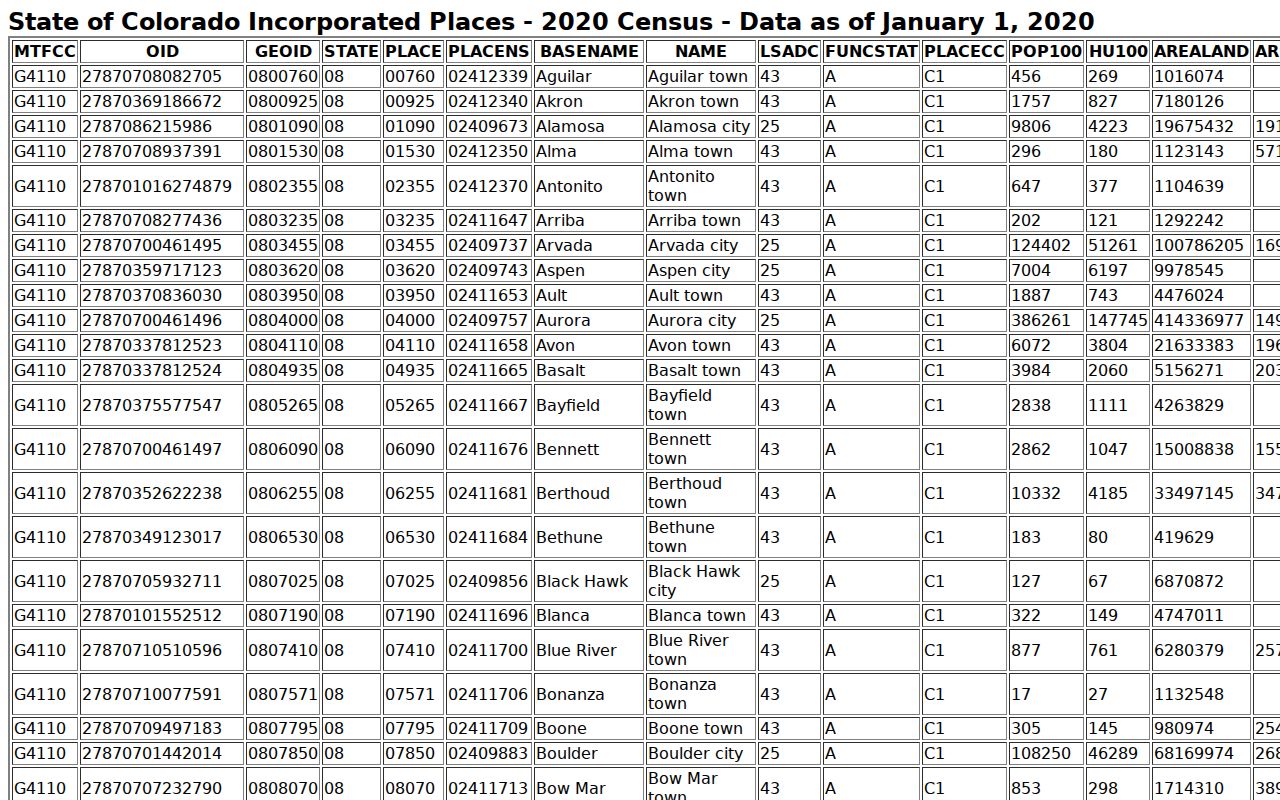
The Census page covers place and population context only. It carries no warrant count, court status, police contact, or measure of enforcement activity in Paoli or Phillips County. Neither office publishes a warrant count, failure-to-appear total, or clearance rate. Never estimate warrant volume from population. A records request can ask whether a custodian already keeps counts by year and type without names, though the custodian need not build a new dataset. For individual warrant status, the issuing court remains the only answer.
Paoli Warrant Routing Notes
Document each step, because the missing current town web channel can send calls across offices. Write down the court name printed on the source document, the official page used to verify contact details, the date you called, the office response, and any follow-up required. Keep two answers straight: "we do not keep that record" is not the same as "no warrant exists." When a clerk routes your request, get the receiving office's full name and confirm its number yourself. Do not use 911 for a routine record check. Do not appear at a court or law-enforcement office on a possible warrant without case-specific instructions, especially where no safe walk-in policy is published. An attorney can confirm the court for a Paoli matter, communicate about an appearance, and explain the consequences of a judicial order without inventing a local procedure.
Paoli Warrant Contact Verification
Check any contact from an old directory against a current official source before using it for a court matter. Ask the receiving office to state its full agency name and whether it keeps the cited case type. If it does not, request the name of the actual custodian rather than asking the office to guess at warrant status. Never send a driver's license image, birth date, financial data, or full case history to an unverified email address. Begin with the least information routing requires: the court name printed on the Paoli paper, the type of citation, and a case or ticket number if the official clerk asks for one. A lawyer can communicate through the verified court channel when the matter involves surrender, bond, or a possible arrest order.
This verification matters because of Paoli's documented web gap. Holyoke and Haxtun publish municipal pages, but those pages do not govern Paoli. Borrowing their judge, calendar, telephone, or payment process would create a false local procedure. The safe course is to preserve the uncertainty until the issuing document or a current official office identifies the proper court for Phillips County residents.